The Sintered Grounding Plate Scam
"Looks like
a solid bronze plate, but actually a porous matrix of bronze spheres, presenting
the same effective electrical surface as a much larger expanse of copper foil."
The West Marine catalog, 2008. Not true. Well, maybe not as bad
as a scam, but surely bad science.
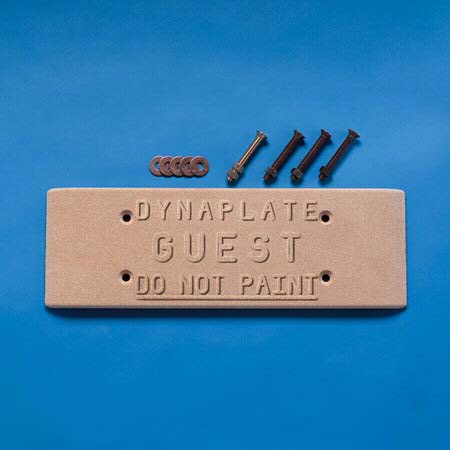 Sintered bronze or copper grounding shoes are marketed under several brands
for grounding single-sideband high frequency marine radio antenna systems.
They do the job, but not the way some manufacturers claim they do. A
sintered shoe with an outside surface area of 20 square inches is no more
effective than a solid metal shoe of the same dimensions.
Sintered bronze or copper grounding shoes are marketed under several brands
for grounding single-sideband high frequency marine radio antenna systems.
They do the job, but not the way some manufacturers claim they do. A
sintered shoe with an outside surface area of 20 square inches is no more
effective than a solid metal shoe of the same dimensions.
Sintered metal is composed of small spheres that have been partially fused
into a solid. If you count the entire exposed surface area of all the
spheres within the metal structure you come up with figures like 20 square feet
for an 8" x 2" x 0.5" ground shoe, using one manufacturer's
figures. "Porous copper construction magnifies contact area"
claims one ad. If the sintered metal was being used as a catalyst or
adsorbent with
chemicals flowing through it the implication of large total exposed surface area
would be correct. But as a grounding plate for RF, the surface inside the
volume of the material is shielded by the surface on the outside of the
material. Even without considering the skin effect, the seawater inside
the material makes no additional electrical contact with the ocean. It is
trapped, it has no unique access to the outside volume of seawater.
What the sintered shoe does provide is lots of interior surface area to
corrode. It also provides a great surface for marine organisms to attach
to. Sintered shoes that have been in the water a few years look like the
mass of corroded metal they are. Scraping the surface of the shoe usually
exposes metal, so if they have not completely wasted away they are probably
still working. But no better than an ordinary bronze through-hull.
Given that they are coupled through the hull with a few relatively small
diameter bolts they are probably less effective, but it might take a carefully
controlled test to actually see any difference in the harbor. The
difference will show up out at sea as you are trying to punch a signal through
poor ionospheric conditions.
All that is necessary for a good SSB ground is some direct metallic path of
sufficient surface area through the hull to connect the grounding foil to
seawater. An ordinary bronze mushroom head through-hull serves the purpose nicely.
RF travels on the surface of conductors. This is called the skin effect and is
why a wide strip of copper foil is used: lots of surface area in cross
section. The stem of the through-hill is typically at least 1.5 inches in
diameter, which is roughly equivalent in area to a 4-1/2 inch run of foil.
So there is no degradation of the grounding path as it passes through the
hull. The exposed mushroom head of the through-hull provides more than
enough surface area to transfer a few amperes of RF energy to seawater.
Seawater is a wonderful conductor and just about the best ground there is.
No special tricks needed.
Updated 3/29/08 Updated again 5/18/08
Dynaplate photo used without permission from the Marinco Electrical Group which
owns the Guest brand. Hey, you put
it out there.